The Hidden Role of Surveying in Protecting New Hampshire’s Land
Originally published in the New Hampshire Union Leader
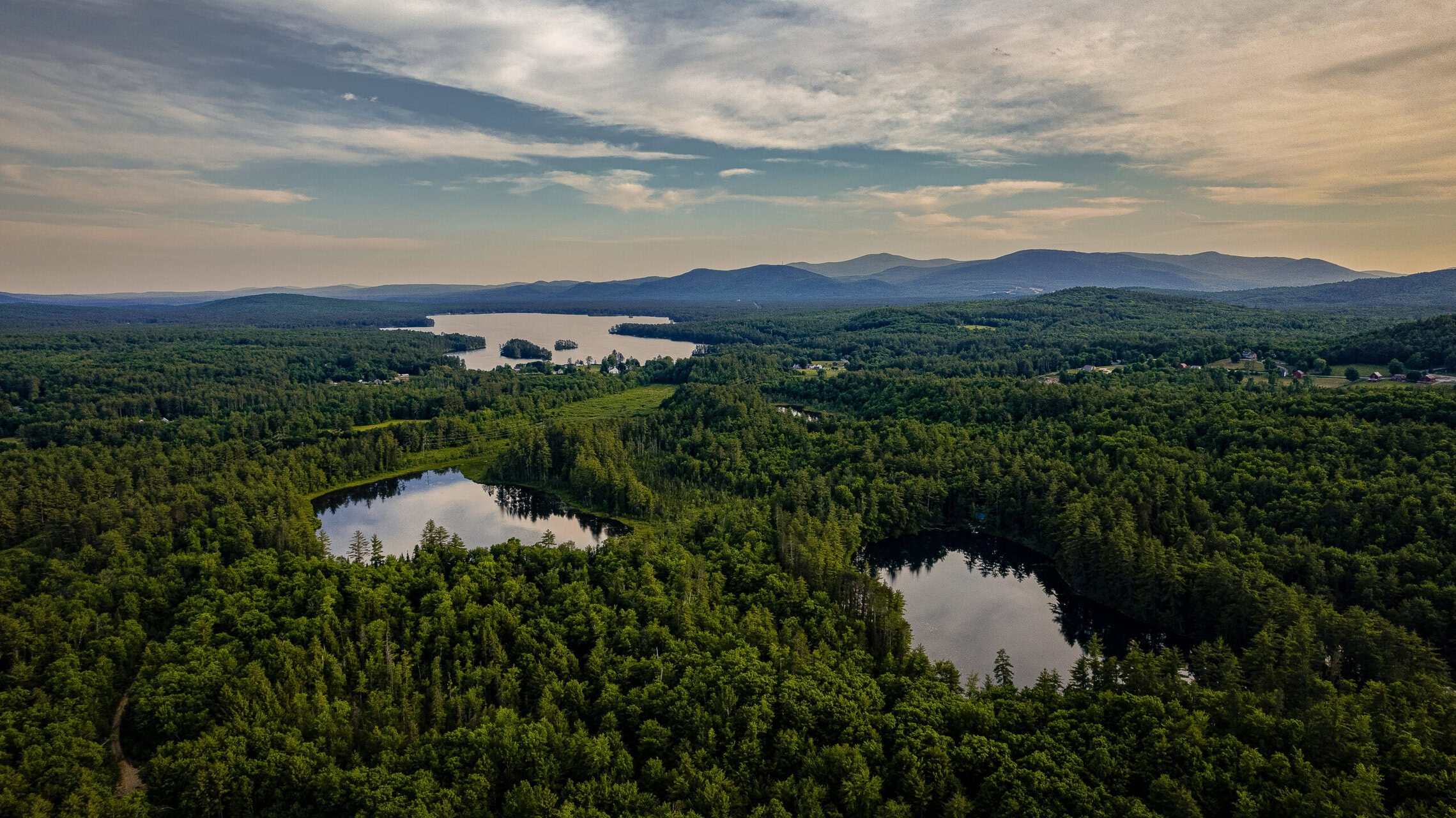
From the trails we hike to the rivers that supply our drinking water, New Hampshire’s conserved land is essential to the health of our communities and natural resources. It helps keep water clean, reduces flooding, supports wildlife, and ensures that generations to come can enjoy the outdoors. But before land can be protected, we need to understand it. Where does it begin and end? How does it fit into the surrounding landscape? What natural systems are present, and how do they connect? This is where land surveyors come in.
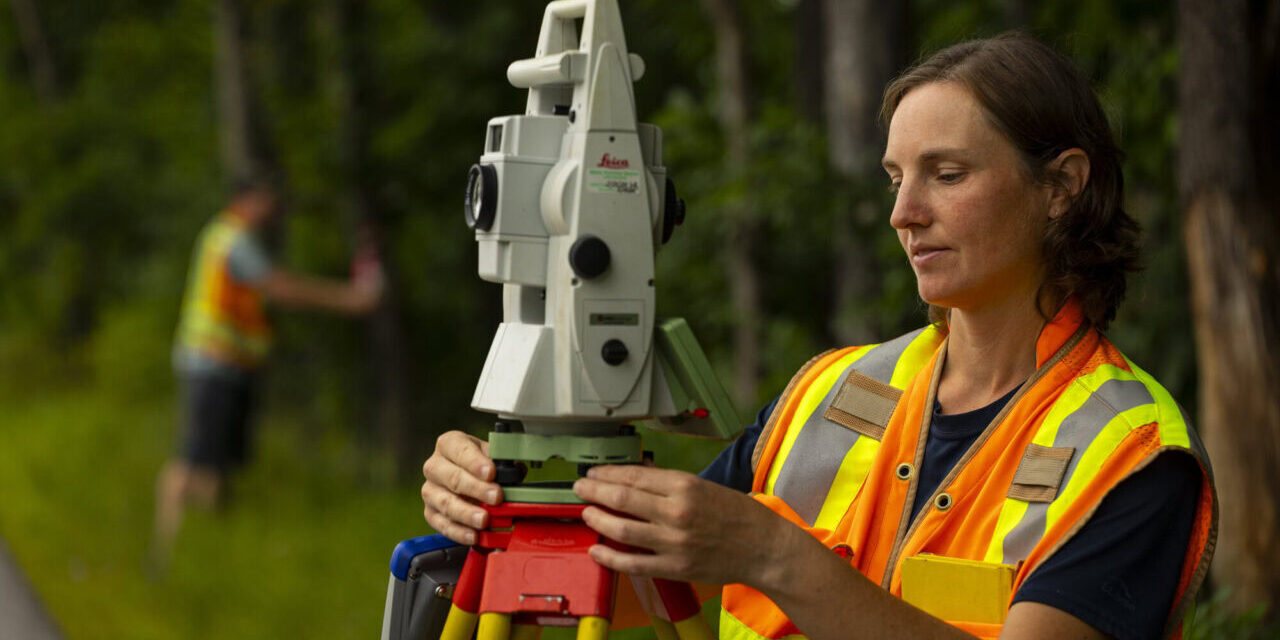
At its most basic level, land surveying is the science of measuring and mapping land, determining points on the Earth’s surface, and the distances and angles between them. Surveyors verify boundaries, locate natural and manmade features, and provide the data needed to make informed decisions about land use. While surveying is often associated with development, its unsung role in conservation helps communities identify and protect the places that matter most.
According to The Forest Society’s NH Land Conservation Report, more than 1.8 million acres in New Hampshire, about 32 percent of the state, enjoy some form of conservation protection. Unlike Western states, where most conserved lands are publicly held, New Hampshire’s protected land consists of a mix of public and private ownership. This creates a patchwork of forests, wetlands, farms, and waterways that work together to deliver public benefits, whether public access is permitted or not.
That patchwork only works when it is clearly defined. Accurate surveys ensure that conserved lands are properly appraised and marked, and that existing rights of landowners are documented and maintained. Since our founding in 1974, HEB Engineers has worked with public and private landowners to support the conservation of over 10,000 acres across New Hampshire.
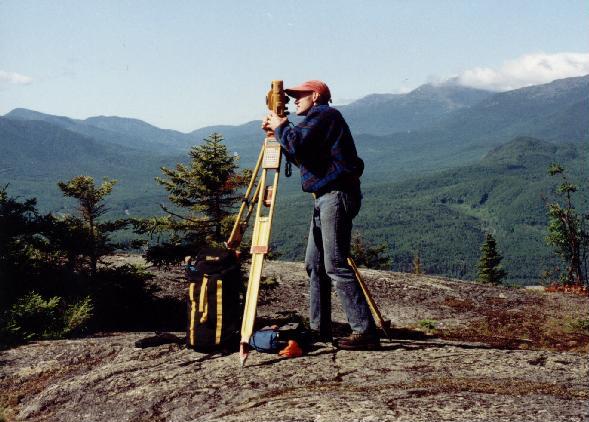
On the public side, HEB has worked with the U.S. Forest Service to recover, map, and mark the boundaries of the White Mountain National Forest, at times trekking into remote areas to look for evidence which has not been seen in nearly 100 years. We also help the National Forest grow. In 2015, HEB surveyed and subdivided a 734-acre parcel in the Great North Woods. The work included GPS and conventional surveying, historic deed research, subdivision planning, and monumentation to federal standards, resulting in 656 acres being added to the White Mountain National Forest and 79 acres to the Milan Community Forest.

On the private side, much of New Hampshire’s land is protected through conservation easements. Landowners may choose to protect their property by selling or donating development rights to a land trust while continuing compatible uses such as farming, forestry, or recreation. In addition to national organizations like The Nature Conservancy and the Trust for Public Land, there are a few dozen local nonprofits, such as the Upper Saco Valley Land Trust, that manage these easements in their respective region for the benefit of the public in perpetuity. These organizations depend on strong partnerships with trusted land surveyors to assist in this process.
Conservation is about more than setting land aside. It is about making sure those protections last. Behind the scenes, land surveying provides the foundation that keeps New Hampshire’s conserved lands working for everyone, now and in the future.